Meet some of the stars…
The animals we look after have come to us for various reasons – they may have been bullied within their original groups, rescued from the illegal pet trade, or unsuitable for breeding programmes. Some of our raptors are injured native birds that would be unable to fend for themselves in the wild.

Say hi to the Primates
We care for over 19 different species of primates, from the tiny Marmosets to the singing Lar Gibbons. This diverse group is the largest collection on the Isle of Wight and every animal has a unique personality. Each family is housed in a large, spacious enclosure, with everything they need to ensure that they stay happy and healthy. Let us introduce you to a few of them…
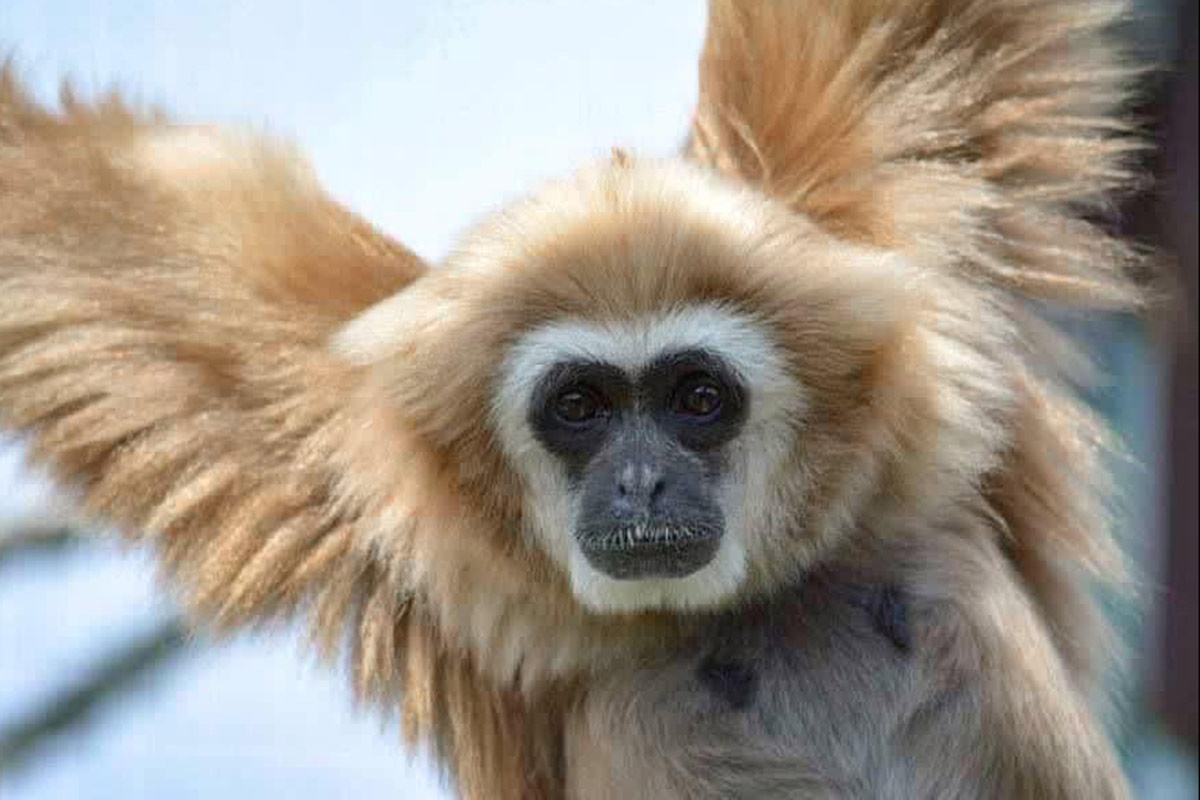
Lar gibbons
We’ve got two Star Gibbons – oops, Lar Gibbons – and that’s Somer and her mother Rasmaya. You’ll probably hear them before you see them! These showgirls will try and grab your attention with their melodic singing and acrobatic feats. If you walk away, they’ll try and lure you back by singing even louder!
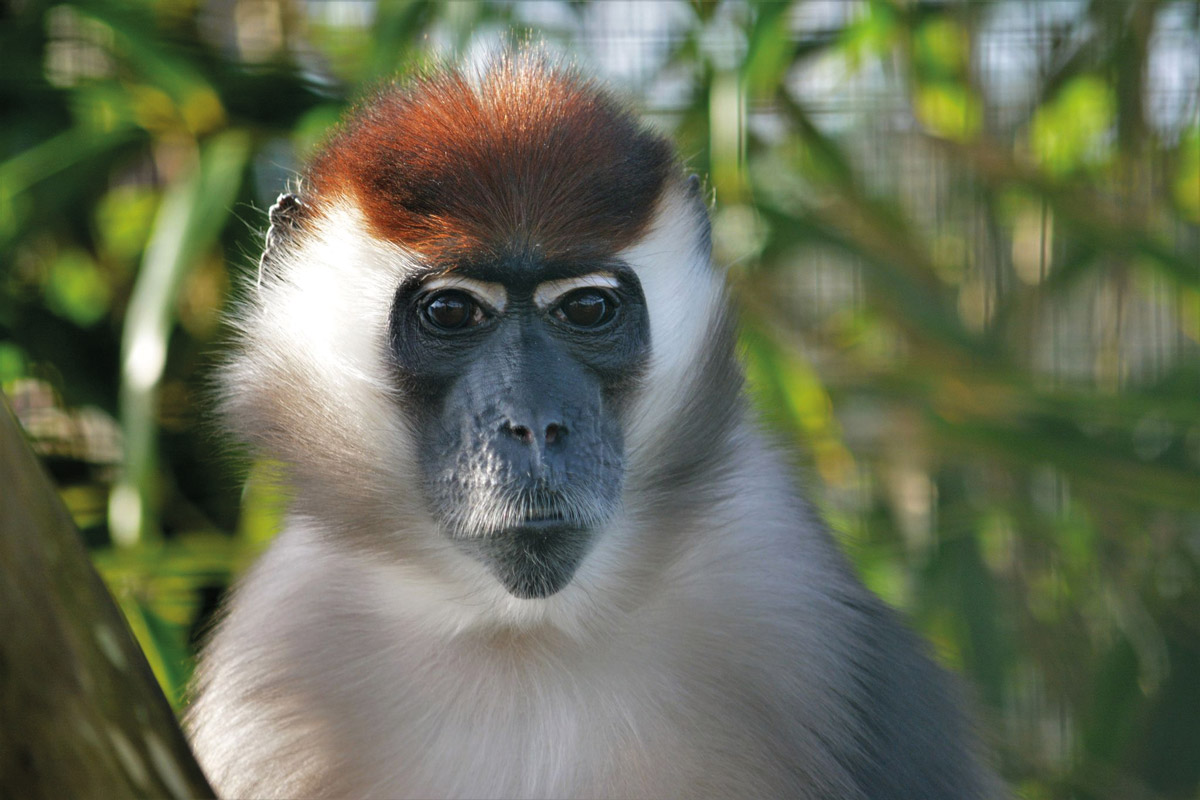
Cherry-crowned mangabey
Buna is a beautiful Cherry-Crowned Mangabey with a red punky hairstyle. They’re also known as ‘four-eyed monkeys’ because of their striking white eyelids, which resemble an extra pair if eyes.
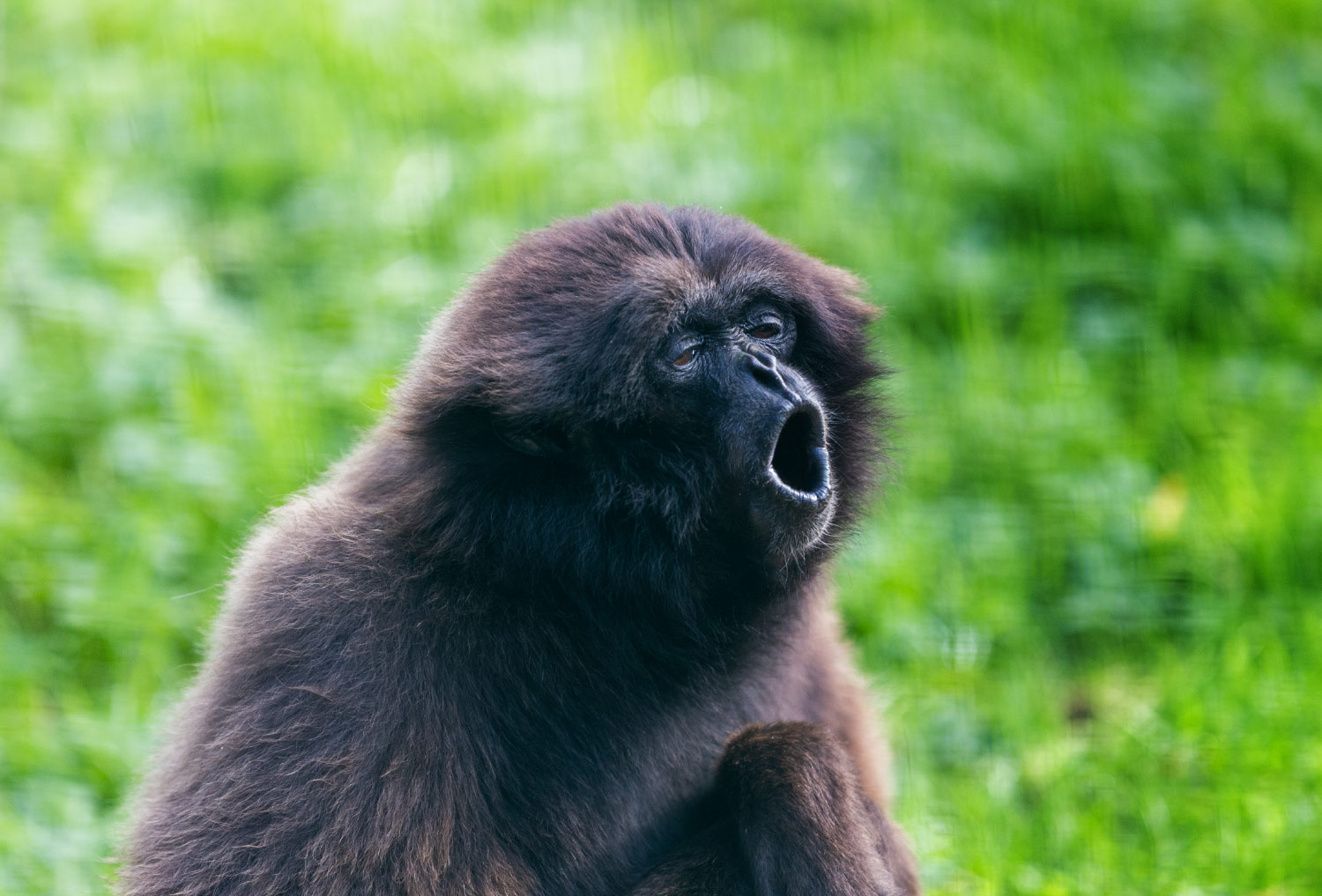
Müeller’s gibbons
We care for two of the sweetest Müeller’s – Bono and her daughter Kajan. Bono was born in an Australian zoo and is one of our oldest primates. She was removed from a breeding programme after her partner died (gibbons often just breed with one male in their lifetime). Kajan is so mischievous that she’ll even try to steal food from her mum’s mouth!
Plus these amazing animals…
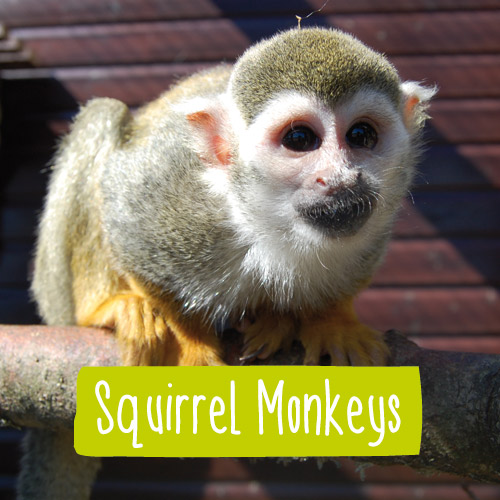
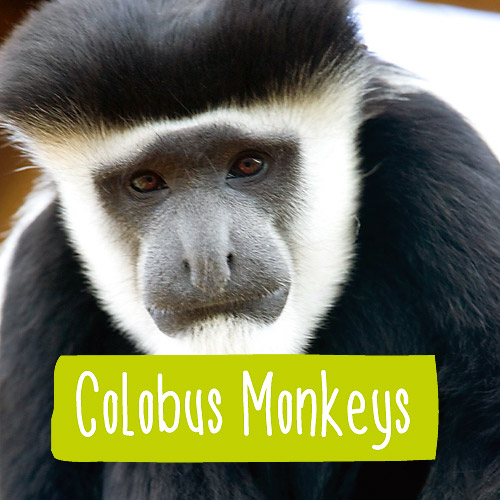
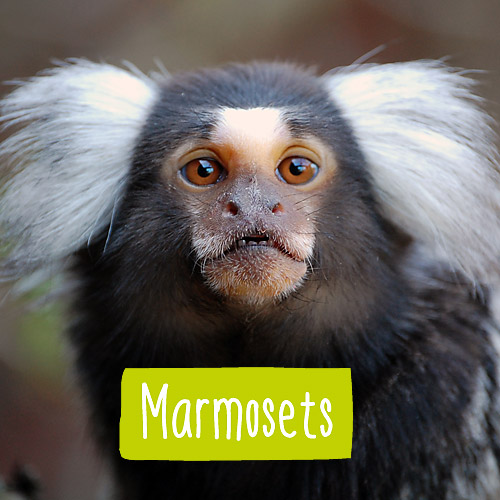
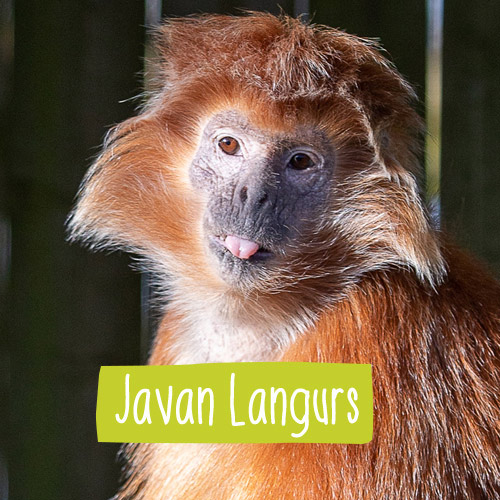

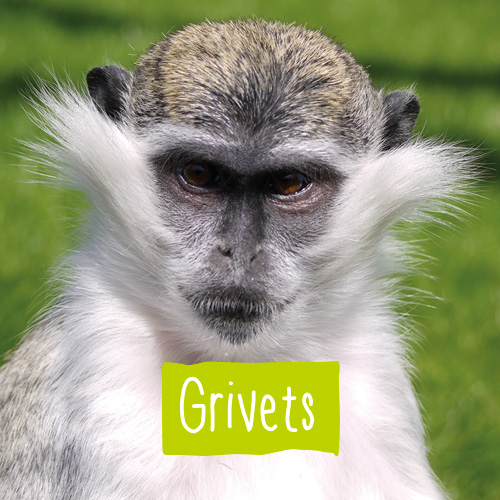
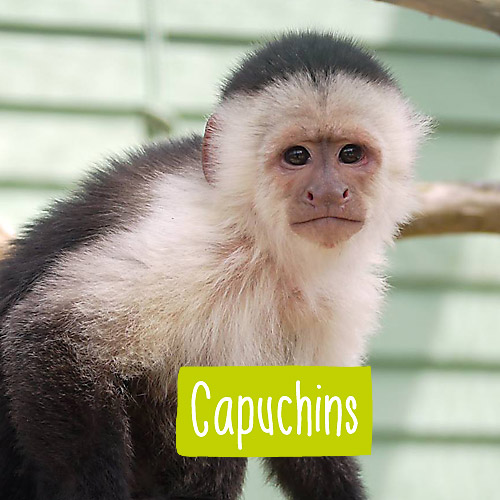
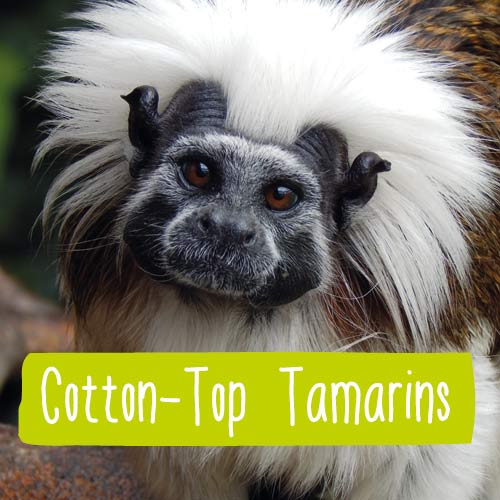

Most of the primates’ food intake is vegetables. Fruit contains a lot of sugar and we have to watch their diets, so it’s given as a treat.

& Birds of Prey
The Haven is home to various species of Owl, including Tawny Owls, Boobooks, Bengal Eagle Owls and Snowy Owls. Many of our birds have come from zoos and private collections. Others were injured or rescued native birds from the wild – wherever possible we care for the birds until they are well enough to be released back into the countryside. Here are some of our feathery friends…

Eurasian Eagle Owls
Come and see our handsome pair, Whistler and Clicky – they’re named after the funny noises they make. Whistler came to us from a private owner and Clicky was rescued by the Haven’s founder, Don Walser, before we even opened. These majestic birds have big bodies and a loud booming call that can be heard at dusk and dawn.
Barn Owls
We’ve got a very special spot in our hearts for the Barn Owls, as they inspired Don Walser to set up an animal sanctuary, which eventually became Monkey Haven. They’re such sweeties (unless you’re a mouse… in which case, be afraid!). Barn Owls are found in many spots in the UK, living around grassland or farmland. They have heart shaped faces and wingspans that can nearly reach 1 metre.
Great Grey Owls
Coco and Nutmeg joined us in 2022. They are beautiful Great Grey Owls with impressive plumage and stunning yellow eyes (which means they are diurnal – they usually hunt during the day). Coco is female, and she’s quite a bit bigger than Nutmeg, who’s male. He loves sitting out towards the front of the aviary to catch some rays.

Reptiles & insects
Visit our Reptile Lodge to get up close to some slithering snakes and creepy crawlies. You can eyeball a Tarantula, cuddle a Boa Constrictor and meet the Tortoises. Say hello some of the reptile residents…

Royal Python
Come and meet our gorgeous Royal Python called Jasmin – she lives in the Reptile Lodge. If you come to one of our Reptile talks, you could get the chance to touch or even hold her. She might look a little scary but don’t be fooled – she’s really very friendly.
Chinese Water Dragon
This lizard originates from China and southeastern Asia, and is usually found along the banks of lakes and streams. They can grow to an impressive 3ft in length and have a photosensitive spot between their eyes referred to as the pineal eye (or the third eye) that is thought to help regulate their body temperature.

Tortoises
Meet the creep! That’s what a group of tortoises is called. We have five Mediterranean Spur-thighed tortoises – also known as Greek tortoises. The species is now protected and it’s illegal to import them from the wild. However pet shops can sell them if they’re born and bred here. All our tortoises are ex-pets.
And don’t forget about this mob…
Meerkats
Our mob of Meerkats are fascinating to watch. These creatures from southern Africa’s Kalahari Desert use over 20 different sounds to communicate, including chirps, trills, growls and barks.
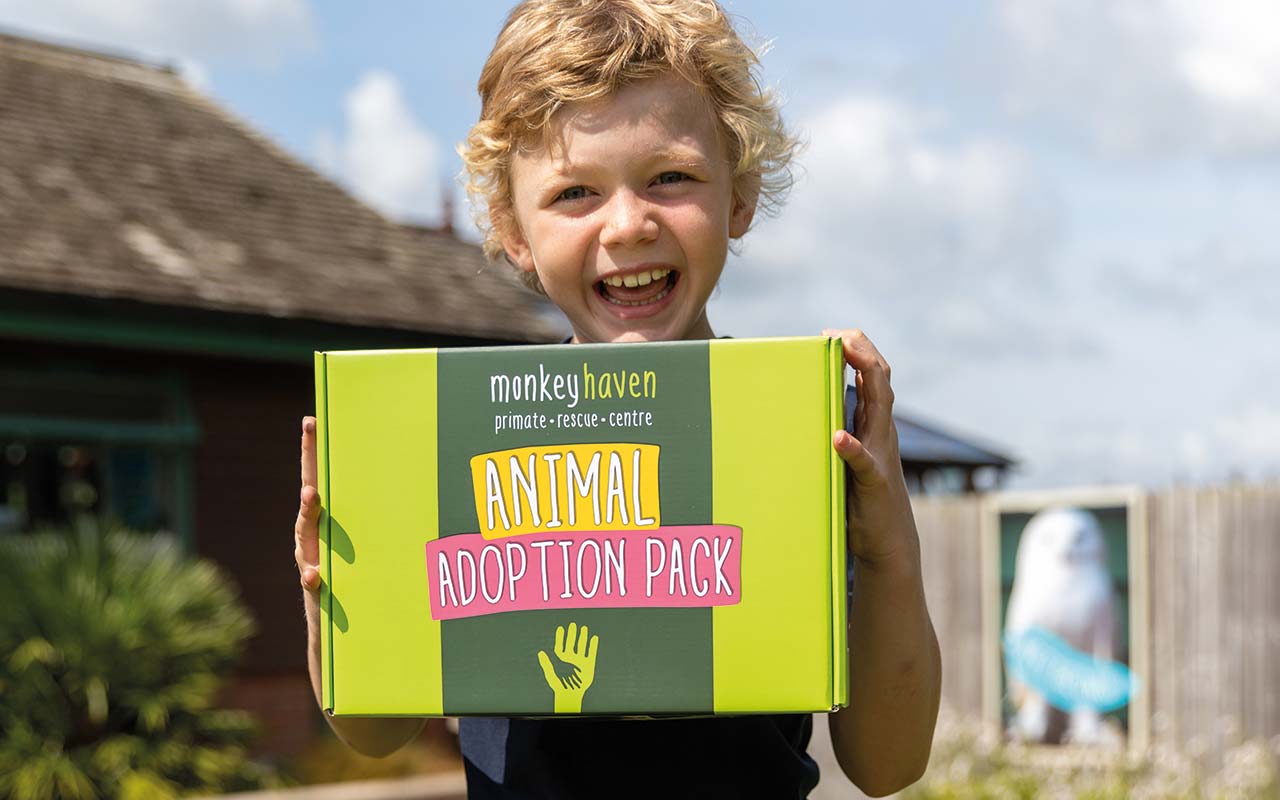

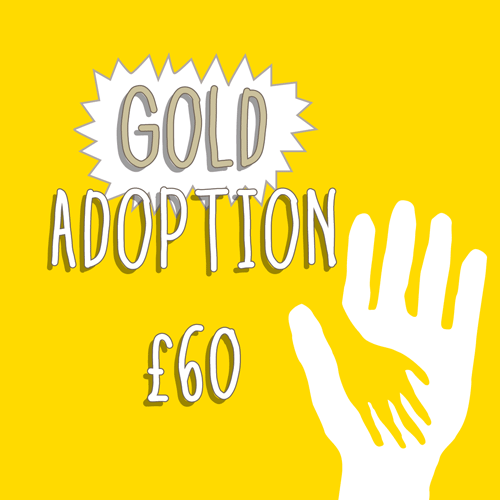
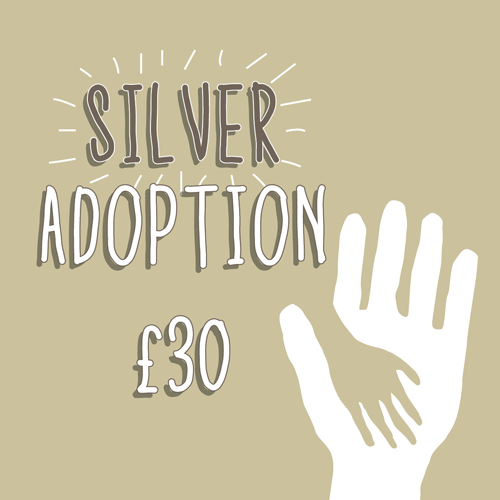
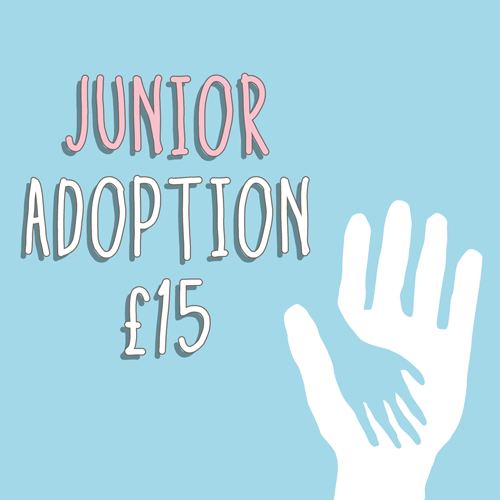
By adopting an animal you will be contributing towards their upkeep.
An adoption makes a very special gift, and also gives you a lovely feel-good glow. We’ll send the lucky recipient a bundle of goodies, depending on which adoption you choose.